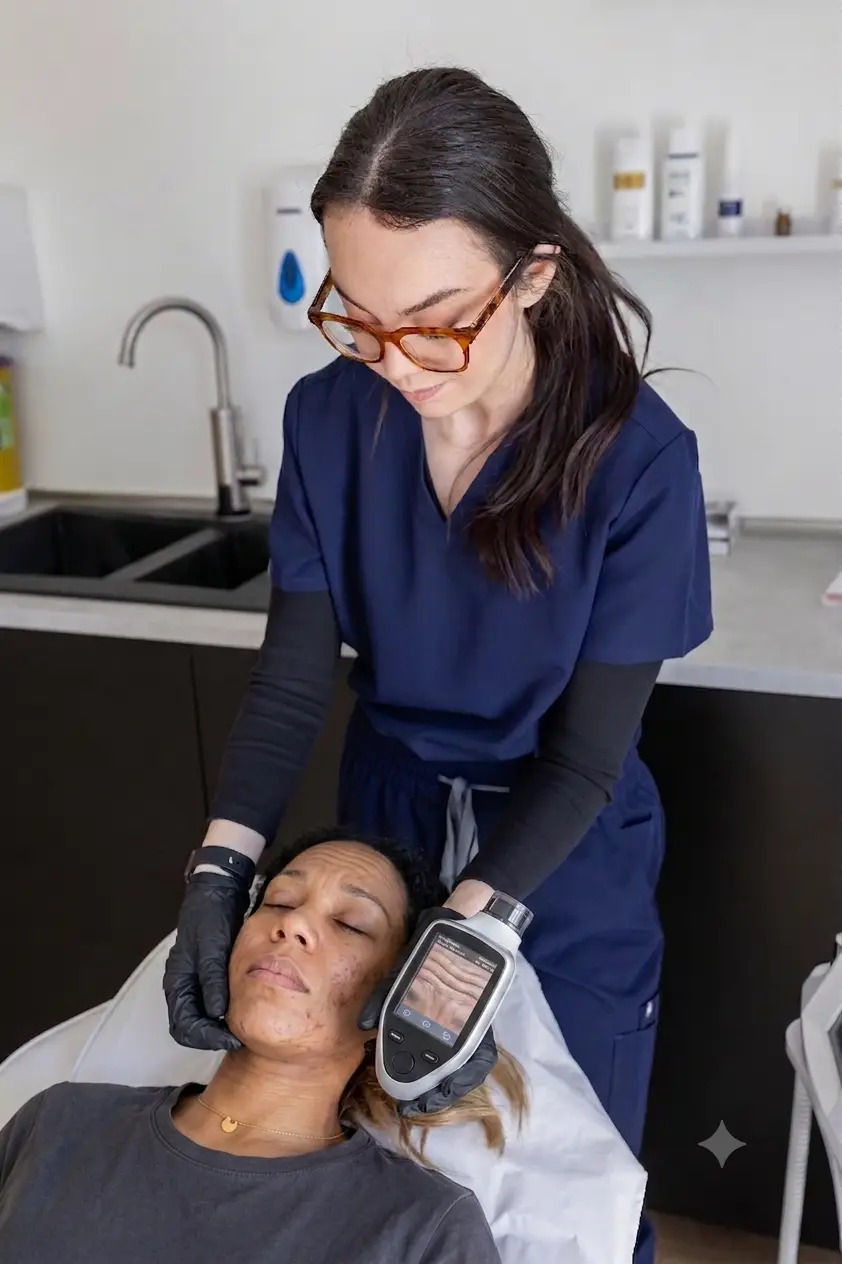
Your NeoGen Journey, Day by Day: What to Really Expect
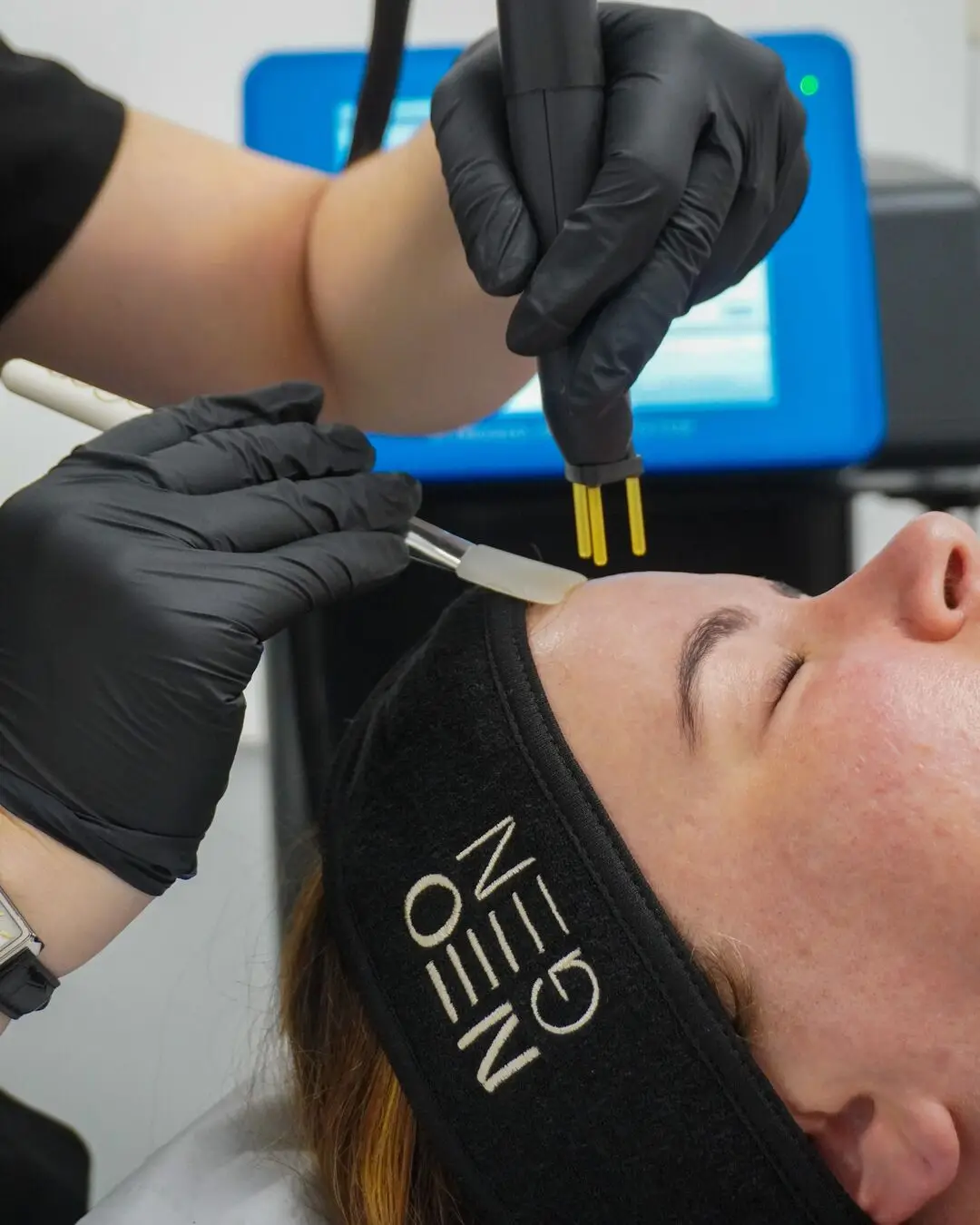
One of the most common questions about NeoGen is simply: “What will I look like afterwards?” Here’s an honest guide to the journey, so you can plan with confidence. Recovery varies with the intensity of treatment, so your own plan will be discussed in detail at consultation.
Before treatment
We start with a consultation to check NeoGen is suitable for you and decide on the right intensity. You may be asked to pause certain active skincare, such as retinoids, in the days before treatment, and to avoid sun exposure.
Treatment day
A numbing cream is applied first for comfort. The treatment itself feels like quick pulses of warmth across the skin. Afterwards, your skin will look pink and feel warm, similar to sunburn.
Days 1 to 3
The treated skin gradually darkens and may look bronzed or slightly patchy. It can feel tight. This is the natural dressing doing its job: the treated outer layer is protecting the new skin forming beneath. Follow your aftercare closely and keep the skin moisturised.
Days 3 to 7
The outer layer starts to flake and peel. It’s important not to pick or rub it, however tempting. Let it shed naturally to reveal fresh, pink skin underneath. With deeper treatments, this stage can take a little longer.
Weeks 2 to 4
Your skin looks smoother and brighter, and many patients love their “glow” at this stage. Any residual pinkness settles. Daily SPF is essential.
Months 1 to 6 and beyond
This is where the regenerative work happens. New collagen forms and matures, and improvements in texture, firmness and fine lines continue to develop gradually over the following months.
Planning tips
- Allow a quiet week after treatment, especially for deeper sessions.
- Avoid booking treatment in the days before an important event.
- Stock up on a gentle cleanser, a simple moisturiser and a high-factor SPF.
- Some people benefit from more than one session; we’ll advise you on what’s right for your skin.
Want to plan your NeoGen treatment? Book a consultation at our clinic in Hitchin, Hertfordshire.
This article is for general information and is not a substitute for personalised medical advice. Individual results vary, and all treatments begin with a consultation to check suitability.
The Collective Journal
Recent Posts.