
Why Autumn and Winter Are the Best Seasons for Skin Regeneration
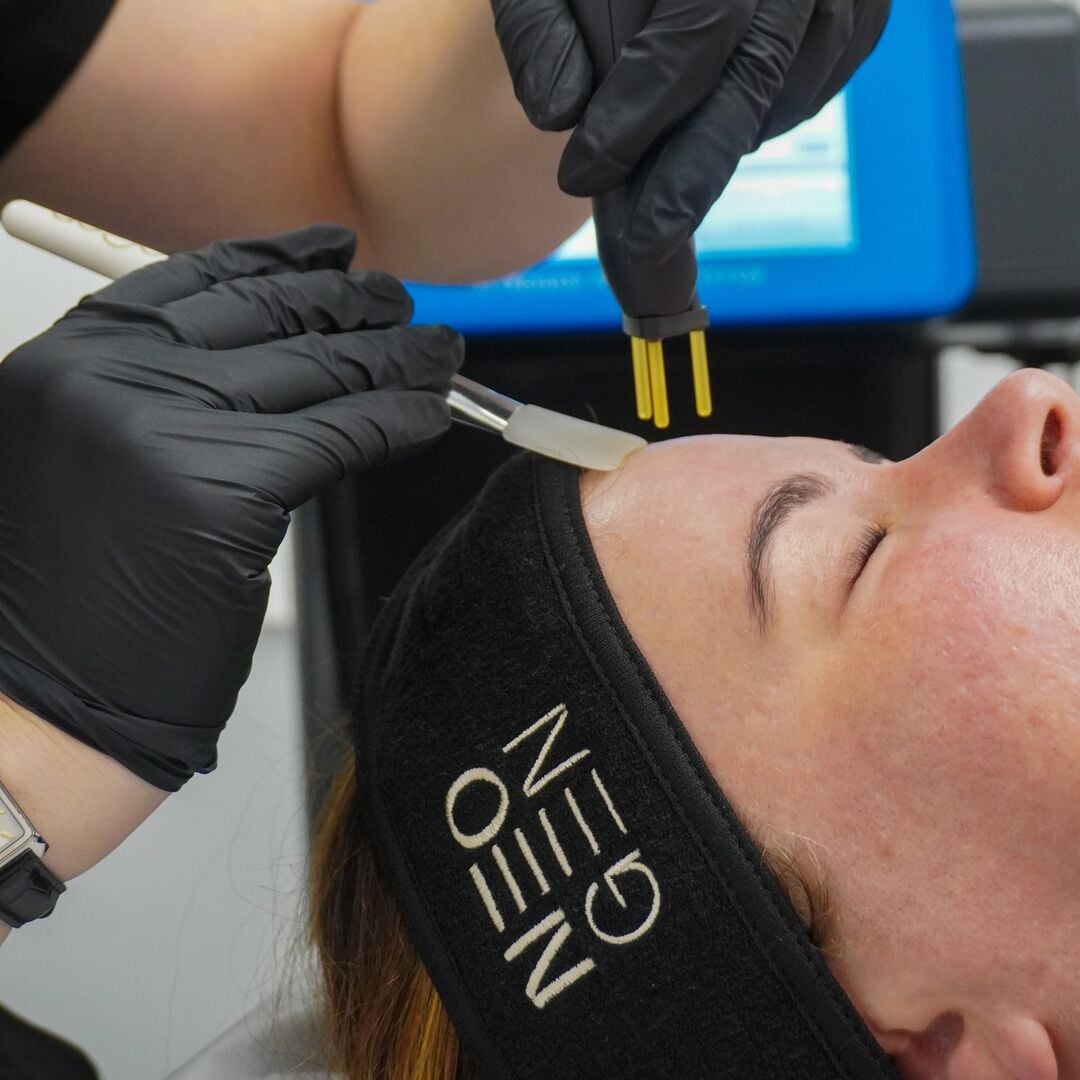
As the clocks go back, most of us think about cosy evenings rather than skin treatments. But in clinic, autumn and winter are when we plan many of our most effective regenerative programmes. Here’s why the colder months work so well.
1. Less sun means safer healing
Treatments like NeoGen and microneedling work by triggering your skin’s repair response. While skin is healing, it’s more vulnerable to UV damage and pigmentation. With lower UV levels and shorter days, it’s easier to protect your skin while it recovers.
You still need SPF every day, but the risk is lower than on a bright July afternoon.
2. Your social diary is easier to plan around
Summer is full of holidays, weddings and garden parties. Autumn tends to offer quieter weeks, ideal for a few days of flaking or redness before the festive season begins.
3. Collagen takes time
New collagen forms and matures over several months. Start a course in October or November, and you’ll be seeing the benefits by spring and summer, just as you want to look and feel your best.
4. Repair the summer damage
Even with careful sun protection, summer often leaves its mark: uneven tone, dullness and a little extra texture. Autumn is the perfect moment to address it.
5. Winter skin needs support anyway
Central heating, cold winds and temperature swings all challenge the skin barrier, particularly in menopausal skin that’s already prone to dryness. Treatments such as polynucleotides, which support hydration and skin quality, can be especially welcome now.
Which treatments work well in the colder months?
- NeoGen for texture, crepiness and overall skin renewal
- Microneedling for texture, pores and scarring
- Polynucleotides for skin quality, hydration and the delicate under-eye area
Often, a combination works best, planned in the right order with the right gaps between treatments.
Ready to plan your winter skin programme? Book a consultation at our clinic in Hitchin, Hertfordshire and we’ll map out a plan that fits your diary and your goals.
This article is for general information and is not a substitute for personalised medical advice. Individual results vary, and all treatments begin with a consultation to check suitability.
The Collective Journal
Recent Posts.