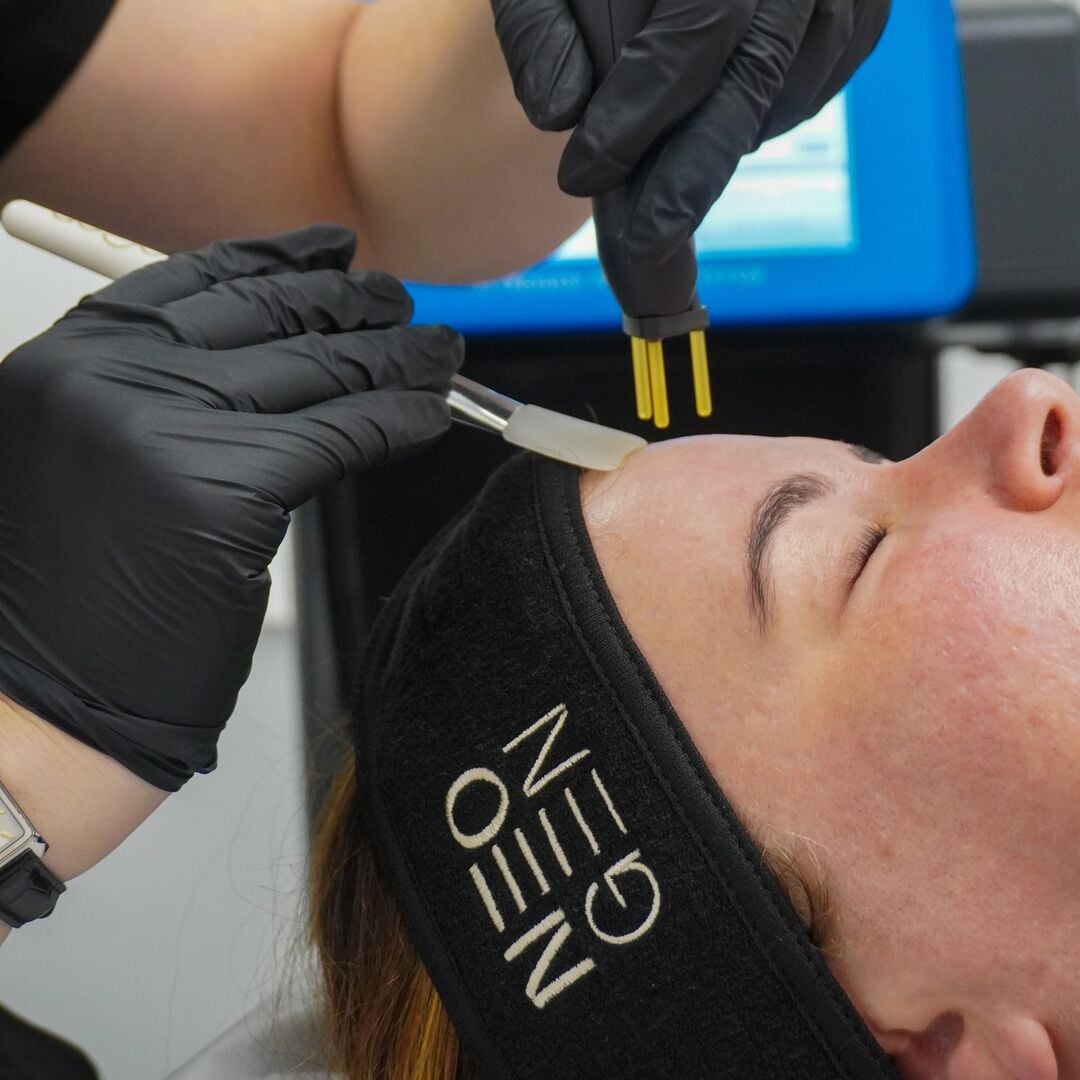
Polynucleotides Explained: The “Salmon DNA” Treatment, Without the Hype
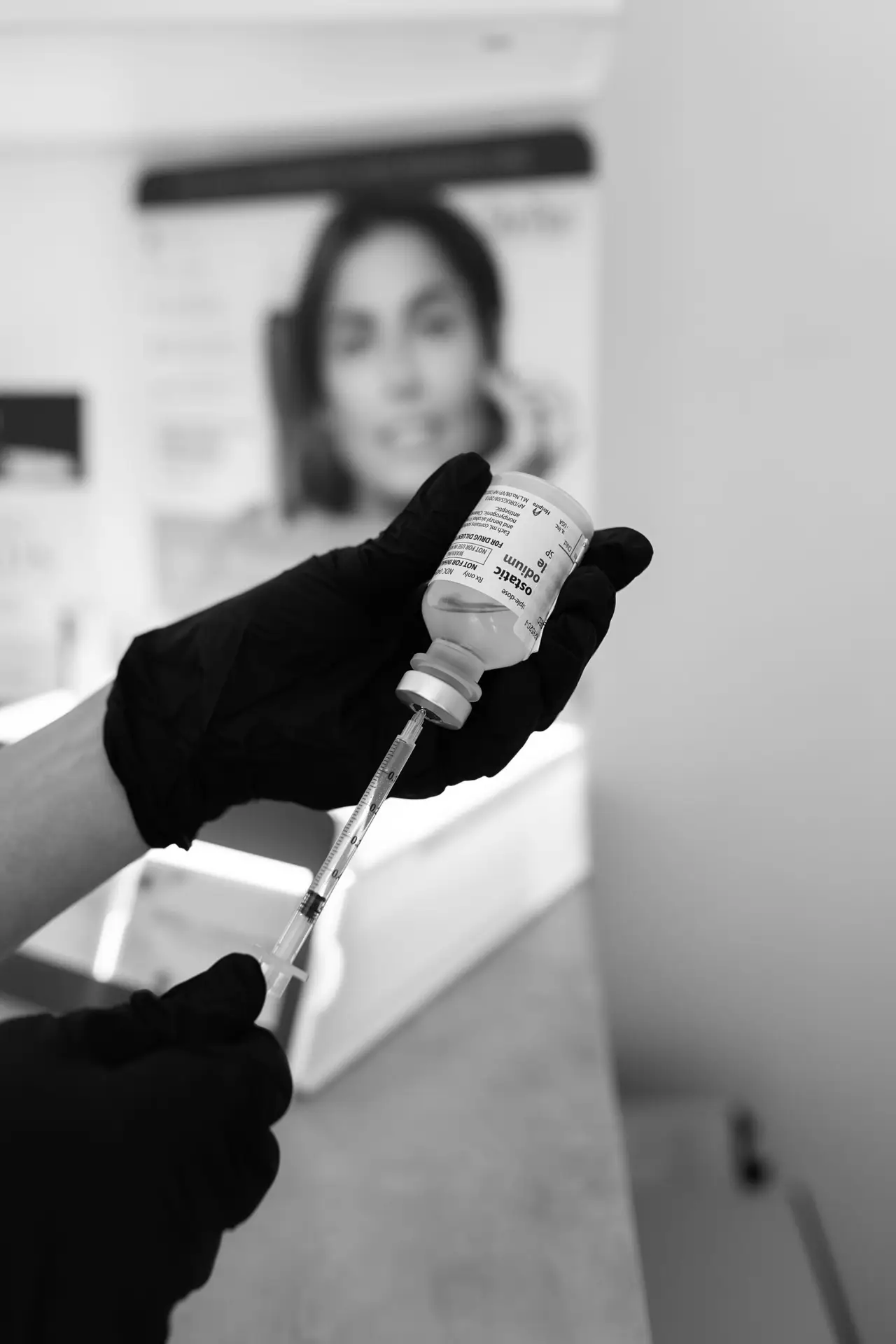
Polynucleotides have become one of the most talked-about treatments in aesthetics, often under the headline “salmon DNA facials”. The nickname gets attention, but it doesn’t tell you much. Here’s what they are and what they can and can’t do.
What are polynucleotides?
Polynucleotides are chains of DNA fragments, usually highly purified from fish such as salmon or trout. Fish DNA is used because it’s structurally similar to our own and can be purified to a very high standard. The product contains no fish proteins in any meaningful sense, and it doesn’t change your DNA.
In the UK, polynucleotide injectables are regulated as medical devices.
How do they work?
Rather than adding volume like a filler, polynucleotides work as a biostimulator. Research suggests they help to:
- support fibroblast activity, encouraging collagen and elastin production
- improve hydration, as they bind water well
- calm inflammation and support tissue repair
Think of them as creating a better environment for your skin to repair itself. That’s why they sit so well alongside other regenerative treatments.
What can they help with?
- Overall skin quality, texture and radiance
- Crepey, thin skin, including the delicate under-eye area
- Fine lines on the face, neck and décolletage
- Skin that has lost its bounce through hormonal change
What to expect
Polynucleotides are usually given as a course, often two or three sessions a few weeks apart, followed by maintenance. Small injections are placed in the treatment area. You may have small bumps, redness or bruising for a day or two.
Results build gradually over weeks as your skin responds. They’re subtle by design: people tend to notice you look well, not that you’ve had something done.
Who shouldn’t have them?
Anyone with a fish allergy, certain autoimmune conditions or active skin infections needs careful assessment, and polynucleotides aren’t advised during pregnancy or breastfeeding. A proper medical consultation matters.
An honest view of the evidence
The research on polynucleotides is promising and growing, but it’s younger than the evidence for some long-established treatments. We use them because we see consistent improvements in skin quality, particularly when they’re part of a wider plan.
Curious whether polynucleotides suit your skin? Book a consultation at our clinic in Hitchin, Hertfordshire.
This article is for general information and is not a substitute for personalised medical advice. Individual results vary, and all treatments begin with a consultation to check suitability.
The Collective Journal
Recent Posts.