Why Your Skin Changed Overnight in Your 40s: The Oestrogen–Collagen Connection
Reading time: 6 minutes
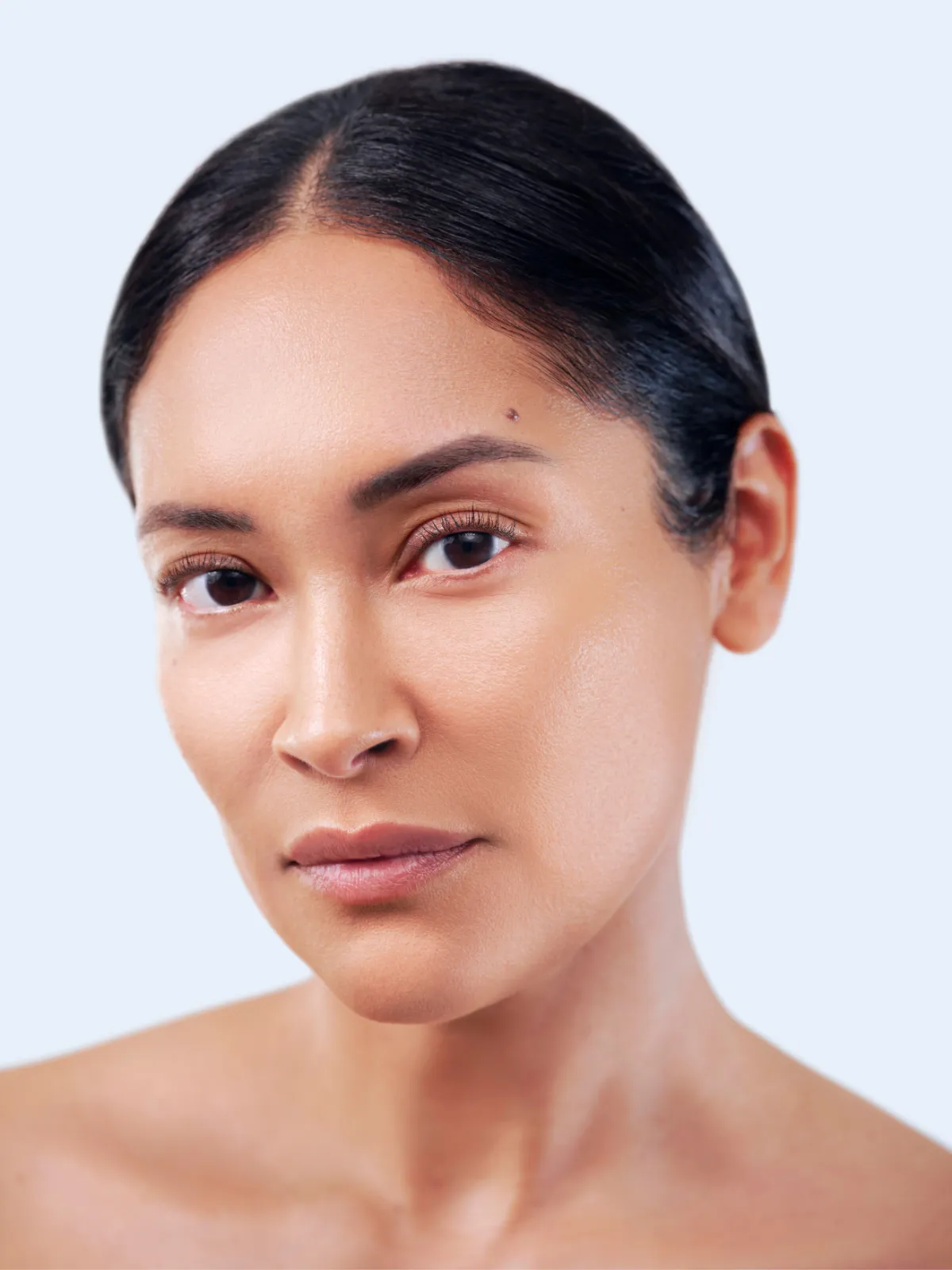
It’s one of the things I hear most often in clinic: “My skin just changed almost overnight.” One year your skincare routine works perfectly. The next, your skin feels thinner, drier and somehow less you, even though you’re eating well, training regularly and doing everything right.
You’re not imagining it, and it isn’t simply “getting older”. For most women, the turning point is hormonal. To understand what’s happening, and what can genuinely help, we need to talk about oestrogen and collagen.
Collagen: your skin’s scaffolding
Collagen is the most abundant protein in your skin. It forms a supportive mesh in the dermis, the deeper layer of skin, giving it strength, firmness and bounce. Alongside elastin and hyaluronic acid, it’s what makes young skin look plump and spring back when you pinch it.
Collagen is made by cells called fibroblasts. Think of them as your skin’s builders: constantly producing new collagen while older, damaged fibres are broken down and recycled.
Where oestrogen comes in
Your skin is full of oestrogen receptors. Oestrogen acts as a signal that keeps those fibroblasts busy, and it also supports your skin’s ability to hold moisture and stay thick and well nourished.
During perimenopause, oestrogen levels start to fluctuate and then fall. In the UK, the average age of menopause is 51, but changes can begin from your early-to-mid 40s. As oestrogen drops, fibroblasts slow down. Collagen production can’t keep pace with breakdown, and the balance tips.
The numbers are striking. Research suggests women may lose around 30% of their skin collagen in the first five years after menopause, followed by a steadier decline of roughly 2% a year after that. That’s why the change can feel so sudden: it genuinely is faster than the gradual ageing of your 30s.
What you see in the mirror
Falling collagen and oestrogen show up in ways many of my patients recognise:
- Thinner, crepey skin, especially around the eyes, neck, chest and backs of the hands
- Loss of firmness along the jawline and cheeks
- Dryness and tightness that richer creams don’t fully fix
- Dullness and uneven texture, as cell turnover slows
- Slower healing, so blemishes and marks linger longer
- Increased sensitivity, with products you’ve used for years suddenly stinging
These changes are normal. But normal doesn’t mean you have to simply accept them.
The foundations that genuinely help
Before we talk treatments, the basics matter. They protect the collagen you have.
- Daily SPF, all year round. UV exposure breaks down collagen faster than anything else, and it’s the single most effective anti-ageing habit there is.
- A retinoid. Vitamin A derivatives are among the best-studied topical ingredients for supporting collagen. In menopausal skin, start slowly to avoid irritation.
- Barrier support. Ceramides, glycerin and gentle cleansing help counter dryness and sensitivity.
- Protein, sleep and strength training. Your fibroblasts need building blocks and recovery time, and regular exercise supports healthy circulation to the skin.
- HRT, if it’s right for you. Some studies show HRT can support skin thickness and collagen, which is worth discussing with your GP or menopause specialist. It isn’t a complete skin solution on its own, though, and it isn’t suitable for everyone.
These steps slow the decline. To actively rebuild, we need to wake those fibroblasts up again.
Rebuilding from within: NeoGen
This is exactly why I brought NeoGen into the clinic. It’s a regenerative treatment designed to restart your skin’s own collagen production, rather than mask the signs of its decline.
How it works. NeoGen uses nitrogen plasma: energy delivered to the skin as controlled heat, without lasers, light or needles. That heat triggers a healing response deep in the skin, prompting fibroblasts to produce fresh collagen and remodel tired, damaged tissue.
What makes it different. With many resurfacing treatments, the outer layer of skin is removed. With NeoGen, the treated outer layer stays in place for several days, acting as a natural protective dressing while new skin forms underneath. It then gently flakes away to reveal fresher skin.
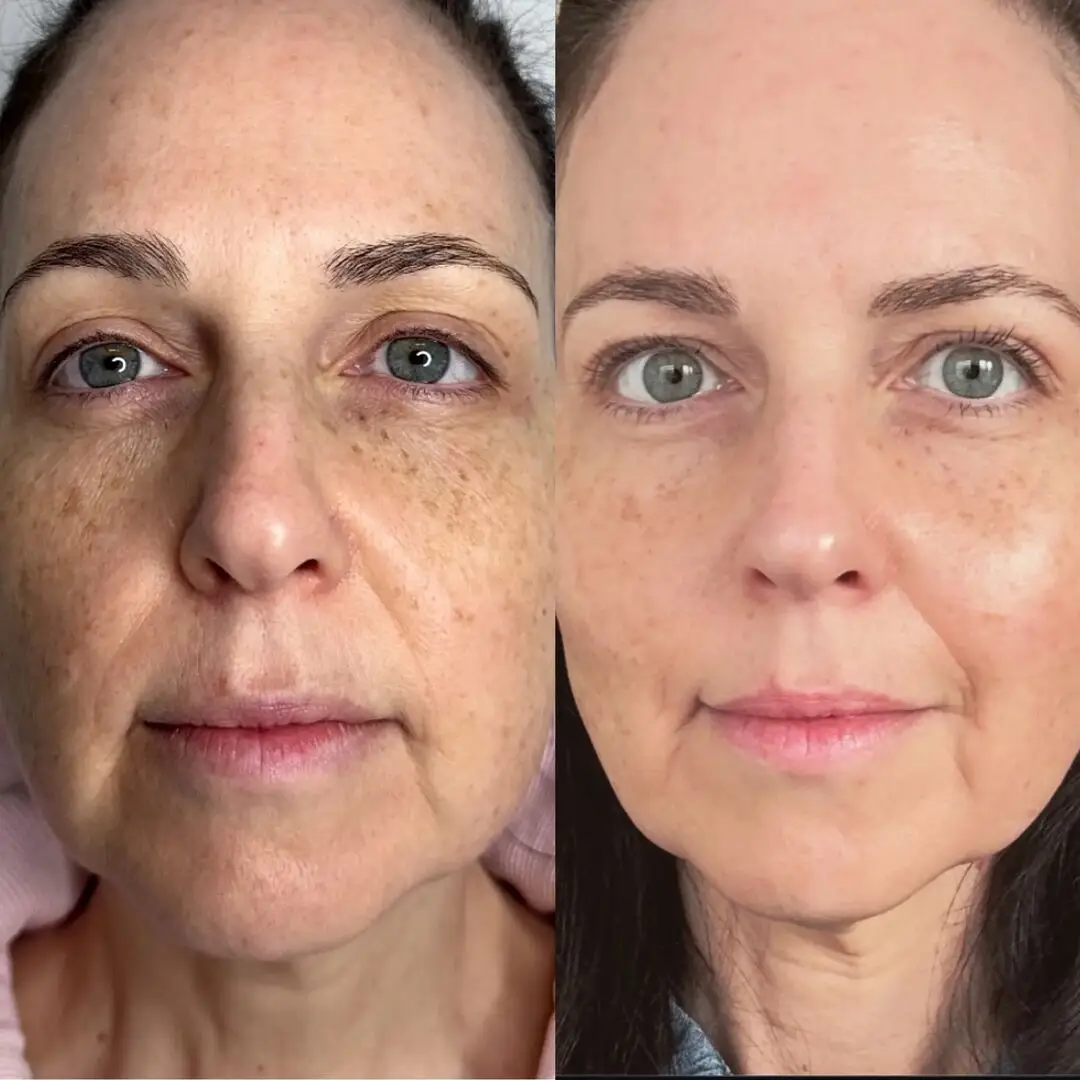
Results that keep developing. Because the treatment works through your body’s own repair process, improvements in texture, tone and firmness build gradually over the following months as new collagen matures. For women whose collagen production has slowed with menopause, that’s the point: we’re encouraging your skin to do what it used to do more easily.
Why it suits menopausal skin. NeoGen can treat delicate areas that are often hardest hit, including around the eyes, the neck and the chest. The intensity can be tailored, from lighter treatments with minimal downtime to deeper sessions for more significant change.
As with any treatment, results vary from person to person, and not everyone is a suitable candidate. That’s why every NeoGen treatment at Fox Collective begins with a thorough consultation.
The takeaway
If your skin changed in your 40s or 50s, there’s a clear biological reason. Falling oestrogen slows the cells that make collagen, and the loss accelerates in the years around menopause.
The good news is that collagen production can be encouraged again. Protect what you have with the everyday foundations, and consider regenerative treatments like NeoGen to help your skin rebuild, naturally and gradually, so you look like yourself, just well rested.
Curious whether NeoGen is right for your skin? Find out more about NeoGen or book a consultation at our Hitchin clinic and we’ll create a plan around your skin, your stage of life and your goals.
This article is for general information and is not a substitute for personalised medical advice. Individual results vary. Please speak to your GP or menopause specialist about HRT and hormonal symptoms.
The Collective Journal
Recent Posts.